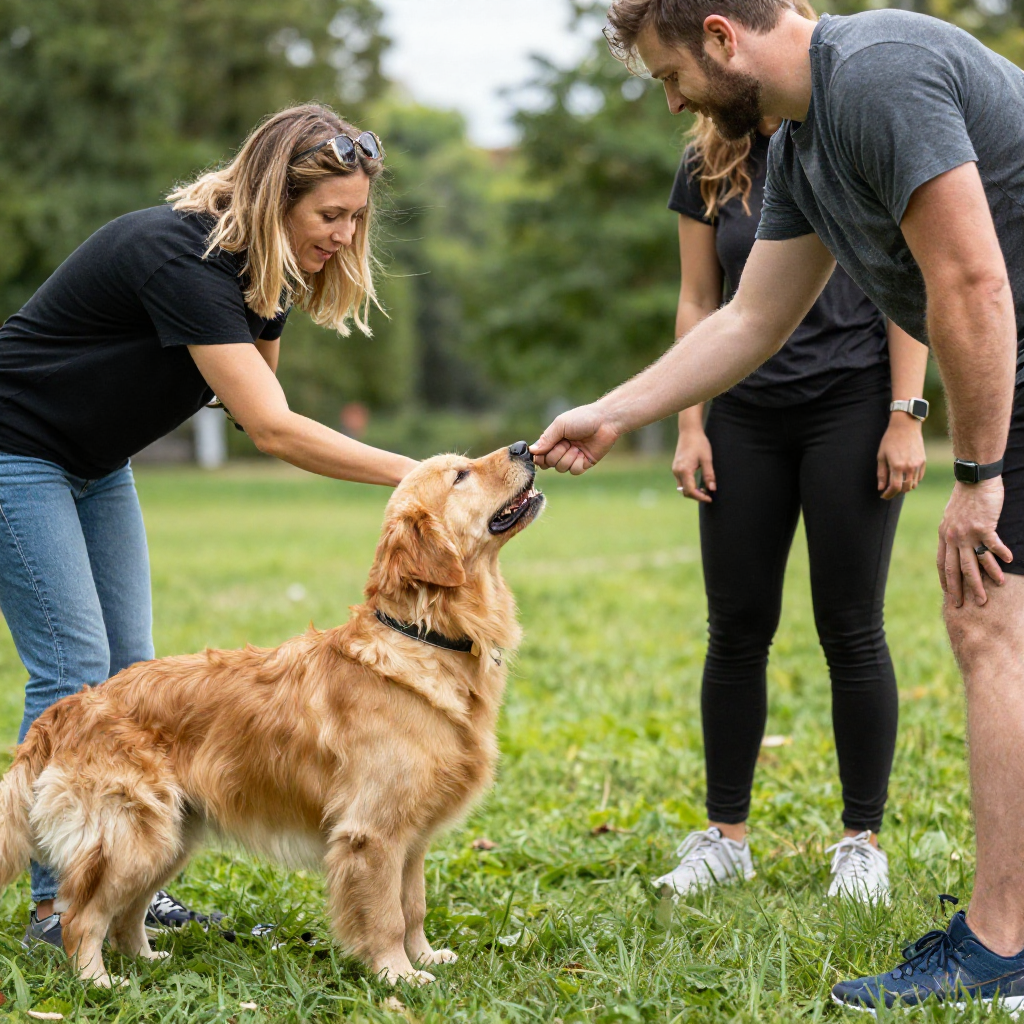
Bringing home a puppy is an exciting milestone, but it also comes with responsibilities that shape a dog’s future behavior. Rob’s Dog Training offers puppy command training classes that provide a structured way to teach essential skills while helping puppies understand expectations from an early age. Rather than waiting for unwanted behaviors to develop, early training establishes positive habits that support a confident, well-mannered companion throughout adulthood.
Many new owners believe training begins once a puppy grows older. In reality, puppies learn from every interaction, making early guidance one of the most valuable investments an owner can make. From learning simple commands to building focus around distractions, structured classes create opportunities for consistent learning that benefit both the puppy and the family.
Why Early Command Training Matters
Puppies experience rapid mental development during their first months of life. During this period, they absorb information quickly and begin forming associations that influence future behavior.
Teaching commands early helps puppies:
- Understand household expectations
- Build confidence in unfamiliar situations
- Develop positive communication with people
- Learn appropriate responses instead of unwanted behaviors
- Strengthen focus despite distractions
Training is not about strict control. It creates a shared language between owner and dog, making daily life easier and more enjoyable.
What Puppies Learn During Puppy Command Training Classes
A quality training program introduces puppies to practical skills they will use throughout their lives. Rather than teaching tricks alone, instruction focuses on behaviors that improve safety, communication, and everyday living.
Foundation Commands
Basic commands often include:
- Sit
- Down
- Stay
- Come
- Leave it
- Drop it
- Heel or loose-leash walking
- Place
Each command becomes a building block for more advanced behaviors later.
Attention and Focus
One of the first lessons many puppies learn is paying attention to their handler.
Developing reliable focus helps reduce distractions during walks, public outings, and interactions with new people or animals.
Impulse Control
Young puppies naturally become excited.
Command training introduces exercises that teach patience, including:
- Waiting before meals
- Sitting before greeting people
- Remaining calm near doors
- Delaying rewards until released
These exercises gradually improve self-control without creating fear or frustration.
Building Communication Instead of Control
Successful training is based on communication rather than dominance.
Dogs respond best when expectations remain consistent and understandable. Clear cues paired with timely rewards help puppies recognize which behaviors earn positive outcomes.
Owners also learn how to:
- Deliver commands consistently
- Reward correct responses
- Avoid confusing signals
- Recognize signs of stress or excitement
- Encourage learning through repetition
As communication improves, puppies become more willing participants during training.
Consistency Creates Reliable Results
Even excellent classes cannot replace daily practice at home.
Short training sessions repeated throughout the day often produce better long-term results than occasional lengthy lessons.
Many trainers recommend:
- Practice several five-minute sessions daily.
- Reinforce commands during everyday routines.
- Reward desired behaviors immediately.
- Keep lessons positive.
- Gradually increase distractions.
Regular repetition strengthens memory while making commands part of everyday life.
Puppy Command Training Classes Improve Everyday Behavior
Many common puppy frustrations stem from a lack of guidance rather than intentional disobedience.
Structured training addresses behaviors including:
- Jumping on guests
- Pulling on the leash
- Excessive mouthing
- Ignoring recalls
- Door rushing
- Difficulty settling indoors
Instead of constantly correcting mistakes, owners learn how to prevent many unwanted behaviors before they become long-term habits.
Social Learning Beyond Basic Commands
Training classes also expose puppies to carefully managed environments where they experience:
- Different people
- New sounds
- Various surfaces
- Controlled distractions
- Other dogs
- New equipment
These experiences help puppies build confidence while learning to remain attentive to their handler.
Proper exposure supports emotional development alongside obedience training.
Why Positive Reinforcement Works
Modern canine learning research supports reward-based methods because they encourage learning while preserving trust between dogs and owners.
Positive reinforcement typically includes:
- Treat rewards
- Toys
- Praise
- Play
- Access to desired activities
Rewarding correct decisions motivates puppies to repeat those behaviors willingly.
Training becomes an enjoyable activity rather than something puppies attempt to avoid.
Preventing Future Behavioral Problems
Many adult behavior challenges begin as overlooked puppy habits.
For example:
- Pulling starts as excitement during walks.
- Jumping begins as friendly greetings.
- Barking may develop from boredom or uncertainty.
- Ignoring recalls often results from inconsistent practice.
Early command training allows owners to redirect these behaviors while puppies are still forming routines.
Addressing problems early is generally easier than changing deeply established habits later.
Confidence Grows Through Learning
Training is not simply about obedience.
Every successful command teaches puppies how to solve problems, understand expectations, and navigate unfamiliar situations with confidence.
Confident puppies often recover more quickly from new experiences because they have learned that listening to their owner leads to positive outcomes.
Confidence also supports:
- Veterinary visits
- Grooming appointments
- Family gatherings
- Outdoor adventures
- Public outings
Reliable communication provides reassurance during unfamiliar situations.
Training Strengthens the Human-Dog Relationship
Every successful training session reinforces trust.
Owners become more skilled at reading their puppy’s body language, while puppies become more attentive to human communication.
This partnership improves nearly every aspect of daily life, including:
- Walks
- Playtime
- Travel
- Visitors
- Household routines
- Family interactions
Rather than relying on repeated corrections, owners build cooperation through understanding.
Choosing the Right Puppy Command Training Classes
Not every program follows the same approach.
When evaluating classes, consider whether they:
Focus on Positive Reinforcement
Reward-based instruction encourages confidence while supporting healthy learning.
Keep Class Sizes Manageable
Smaller groups allow trainers to provide individualized guidance for each puppy and owner.
Teach Owners Alongside Puppies
Effective classes educate people as much as dogs.
Owners should leave each session understanding how to continue practicing at home.
Introduce Real-Life Skills
The most valuable programs prepare puppies for everyday situations rather than only classroom exercises.
Progress at an Appropriate Pace
Young puppies learn best through gradual progression instead of overwhelming challenges.
Common Mistakes Owners Can Avoid
Even dedicated owners sometimes unintentionally slow progress.
Common mistakes include:
- Repeating commands multiple times
- Training only once a week
- Rewarding unwanted behaviors accidentally
- Expecting immediate perfection
- Using inconsistent cues
- Ending sessions after mistakes instead of successes
Awareness of these habits helps owners create more productive learning experiences.
Supporting Success at Home
Training continues long after class ends.
Owners can reinforce lessons by incorporating commands into daily routines.
Simple examples include:
- Asking for a sit before meals
- Practicing recalls in the backyard
- Using “leave it” during walks
- Reinforcing calm greetings when visitors arrive
- Rewarding loose-leash walking during neighborhood strolls
These everyday opportunities strengthen reliability without requiring lengthy training sessions.
When Should Puppies Begin Training?
Many owners wait until adolescence before considering formal instruction.
However, puppies can begin age-appropriate learning soon after arriving home, provided they are healthy and participating in programs designed for young dogs.
Beginning early allows owners to establish desirable behaviors before unwanted habits become routine.
Early learning also supports social development during an important stage of puppy growth.
Long-Term Benefits of Early Command Training
The value of structured puppy training extends far beyond learning individual commands.
Well-trained dogs often become:
- Easier to manage
- More adaptable
- Better family companions
- More confident around new experiences
- More responsive during emergencies
- Better prepared for advanced training
These benefits continue throughout the dog’s life, creating safer and more enjoyable experiences for everyone involved.
Building Lifelong Success with Professional Guidance
Professional instruction helps owners develop confidence while providing puppies with consistent learning experiences.
Experienced trainers can identify small challenges before they become larger behavioral concerns, adjusting techniques to suit each puppy’s personality and learning style.
At Rob’s Dog Training, puppies and owners learn practical skills that support real-life success. Through patient instruction, clear communication, and positive reinforcement, the goal is to help families build lasting relationships based on trust, consistency, and mutual understanding.
Final Thoughts
Puppy command training classes lay the foundation for a lifetime of positive behavior, effective communication, and stronger relationships between dogs and their families. Early instruction teaches far more than basic commands. It helps puppies develop confidence, self-control, and the ability to navigate everyday situations successfully.
With consistent practice, positive reinforcement, and guidance from experienced professionals like Rob’s Dog Training, owners can help their puppies grow into well-mannered, reliable companions who thrive both at home and in the wider world.