Old wooden houses are admired for their craftsmanship, historical character, and timeless appeal. Many have stood strong for over a century, proving that timber can be an exceptionally durable building material when properly maintained. However, age, weather exposure, moisture, and changing environmental conditions can gradually affect the structural integrity of these homes.
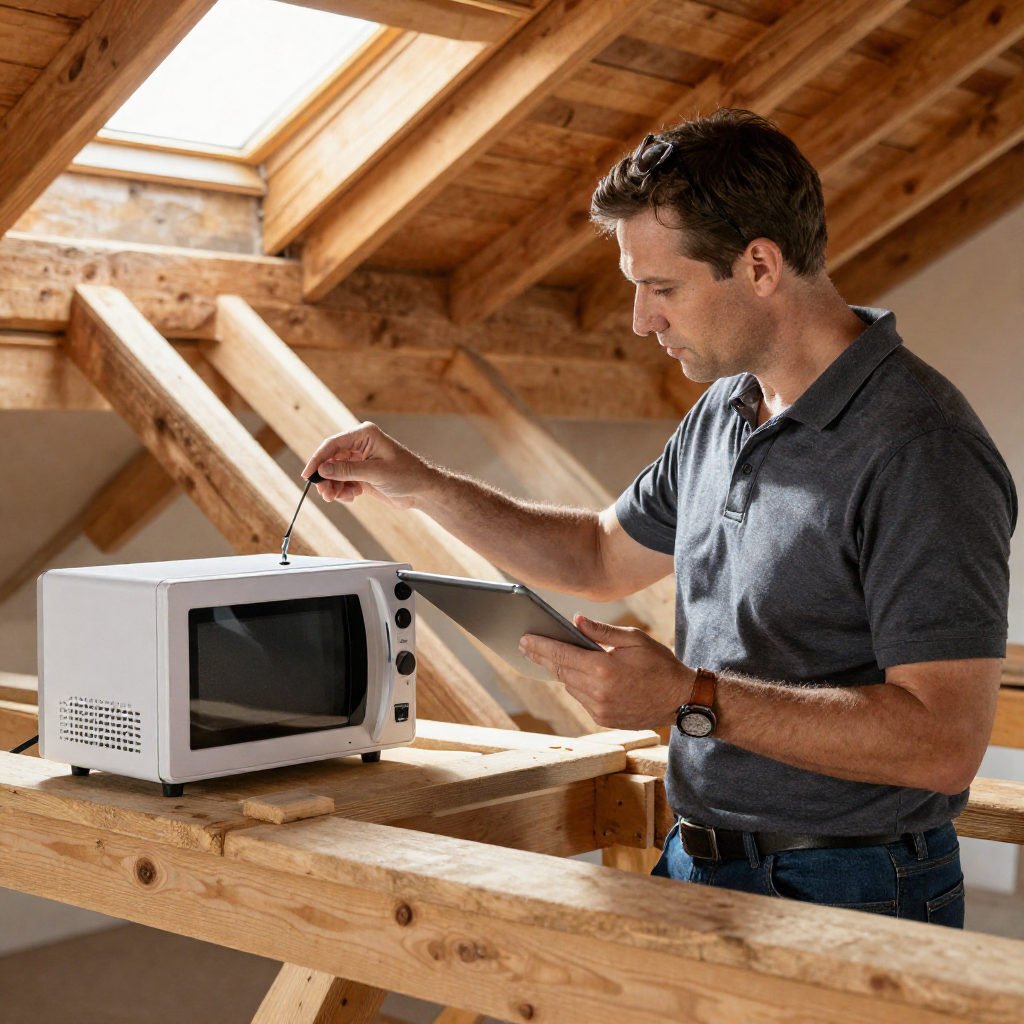
Owning an older wooden house doesn’t necessarily mean facing major repairs, but it does require regular inspections and proactive maintenance. Identifying structural problems early can help preserve the original timber, improve safety, and reduce long-term repair costs. Modern timber preservation methods—including microwave woodworm treatment for localized infestations—also provide homeowners with additional options for protecting historic structures while minimizing disruption.
In this guide, we’ll explore the most common structural issues found in old wooden houses, explain their causes, and share practical solutions to help extend the life of your home.
Why Older Wooden Homes Need Regular Inspections
Timber naturally responds to changes in moisture, temperature, and humidity throughout its lifetime.
After decades of service, wooden homes may experience:
- Natural settling
- Moisture exposure
- Weather-related wear
- Pest activity
- Aging construction materials
Regular inspections allow homeowners to identify minor issues before they develop into significant structural problems.
1. Moisture Damage
Moisture is the leading cause of structural deterioration in timber buildings.
Common sources include:
- Roof leaks
- Faulty gutters
- Plumbing leaks
- Rising damp
- Poor drainage
- Condensation
When timber remains damp for long periods, it becomes more vulnerable to fungal decay and certain wood-boring insects.
Warning Signs
- Water stains
- Soft timber
- Swollen wood
- Mold growth
- Musty odors
Prompt repairs are essential to prevent further deterioration.
2. Woodworm Infestations
Woodworm is one of the most common pest problems in older timber structures.
The larvae of wood-boring beetles tunnel through wood while feeding, sometimes remaining hidden for several years before emerging as adult beetles.
Common Signs
- Small round exit holes
- Fine powdery wood dust (frass)
- Weak or crumbly timber
- Adult beetles during spring or summer
Not every exit hole indicates an active infestation, so professional inspection is recommended.
3. Fungal Decay
Fungi thrive in damp timber.
If moisture problems remain unresolved, fungal decay can weaken structural wood over time.
Signs include:
- Soft or spongy timber
- Dark discoloration
- Cracking
- Shrinking wood
- Persistent dampness
Addressing the moisture source is as important as repairing the damaged timber.
4. Foundation Movement
Many older homes experience gradual settlement over time.
Possible signs include:
- Cracks in walls
- Uneven floors
- Sticking doors
- Misaligned windows
- Gaps around trim
Not all settlement indicates serious structural problems, but significant movement should always be assessed by a qualified professional.
5. Roof Beam Deterioration
Roof beams often remain hidden in attics for decades.
Potential problems include:
- Moisture damage
- Woodworm
- Fungal decay
- Cracking
- Roof leaks
Routine attic inspections help detect these issues before they affect the roof structure.
6. Floor Joist Problems
Floor joists support much of the home’s weight.
Older joists may be affected by:
- Moisture
- Woodworm
- Rot
- Previous modifications
- Natural aging
Symptoms include:
- Uneven floors
- Bouncy flooring
- Squeaking
- Soft spots
Professional evaluation can determine whether repairs or reinforcement are necessary.
7. Exterior Timber Weathering
Exterior timber is continuously exposed to:
- Rain
- UV sunlight
- Wind
- Snow
- Temperature fluctuations
Without maintenance, protective finishes may deteriorate, allowing moisture to penetrate the wood.
Inspect regularly for:
- Cracks
- Peeling coatings
- Soft timber
- Water staining
Maintaining protective finishes helps extend the life of exterior wood.
8. Poor Ventilation
Many older houses have limited ventilation in roof spaces, crawl spaces, and basements.
Poor airflow may contribute to:
- Condensation
- Elevated humidity
- Moisture buildup
- Mold growth
Improving ventilation helps maintain healthier timber and reduces the risk of moisture-related deterioration.
Modern Woodworm Treatment Options
If an active woodworm infestation is confirmed, treatment should be selected according to:
- Beetle species
- Severity of infestation
- Timber condition
- Accessibility
Professional options include approved chemical treatments and modern heat-based technologies.
Microwave Woodworm Treatment
One increasingly popular chemical-free option is microwave woodworm treatment.
Professional microwave equipment generates controlled heat inside timber through dielectric heating, raising the internal temperature to levels that eliminate:
- Woodworm larvae
- Beetle eggs
- Pupae
- Adult wood-boring beetles
Benefits
- Chemical-free
- No pesticide residues
- Localized treatment
- Environmentally responsible
- Suitable for many heritage buildings
- Helps preserve original structural timber
A timber preservation specialist can determine whether this treatment is appropriate for your property.
Preventive Maintenance Tips
Protect your wooden home by:
- Inspecting the roof annually.
- Repairing leaks immediately.
- Cleaning gutters regularly.
- Improving ventilation.
- Monitoring indoor humidity.
- Inspecting structural timber.
- Checking for woodworm signs.
- Scheduling professional inspections.
Consistent maintenance is the best way to preserve historic timber.
Common Structural Problems vs. Prevention
| Structural Issue | Preventive Action |
|---|---|
| Moisture damage | Repair leaks and improve drainage |
| Woodworm | Inspect timber regularly and treat active infestations promptly |
| Fungal decay | Keep timber dry and improve ventilation |
| Roof deterioration | Inspect the roof annually |
| Floor joist problems | Monitor flooring and investigate movement early |
| Foundation movement | Address drainage issues and seek professional advice if significant movement occurs |
Preventive care is generally less expensive than major structural restoration.
Common Myths About Old Wooden Houses
Myth 1: Every Old Wooden House Has Serious Structural Problems
Fact: Many historic timber homes remain structurally sound thanks to quality craftsmanship and regular maintenance.
Myth 2: Woodworm Means the House Is Unsafe
Fact: A woodworm infestation does not automatically mean a building is structurally unsound. The extent of damage should be assessed by a qualified professional before conclusions are drawn.
Myth 3: Structural Repairs Always Require Replacing Original Timber
Fact: In many cases, damaged sections can be repaired or treated while preserving much of the original timber, especially when problems are identified early.
When Should You Contact a Professional?
Professional advice is recommended if you notice:
- Fresh frass.
- New exit holes.
- Soft structural timber.
- Persistent moisture.
- Roof leaks.
- Uneven floors.
- Large wall cracks.
- Signs of fungal decay.
A qualified timber preservation specialist or structural surveyor can inspect your property, identify the underlying causes, and recommend the most appropriate repair or treatment plan.
Conclusion
Old wooden houses are remarkable examples of durable craftsmanship, but like all buildings, they require regular care to remain safe and structurally sound. Moisture, woodworm, fungal decay, roof deterioration, and natural settlement are among the most common issues affecting aging timber homes. Fortunately, routine inspections, timely repairs, proper ventilation, and moisture control can prevent many of these problems from becoming serious.Visit Online https://www.shashel.eu for more details .
If woodworm is discovered, professional treatment—whether through approved chemical products or modern chemical-free technologies such as microwave woodworm treatment—can help preserve original timber while protecting the structural integrity of the building. With consistent maintenance and expert guidance, an old wooden house can continue serving future generations while retaining its historic character and value.